One Cookie at a Time
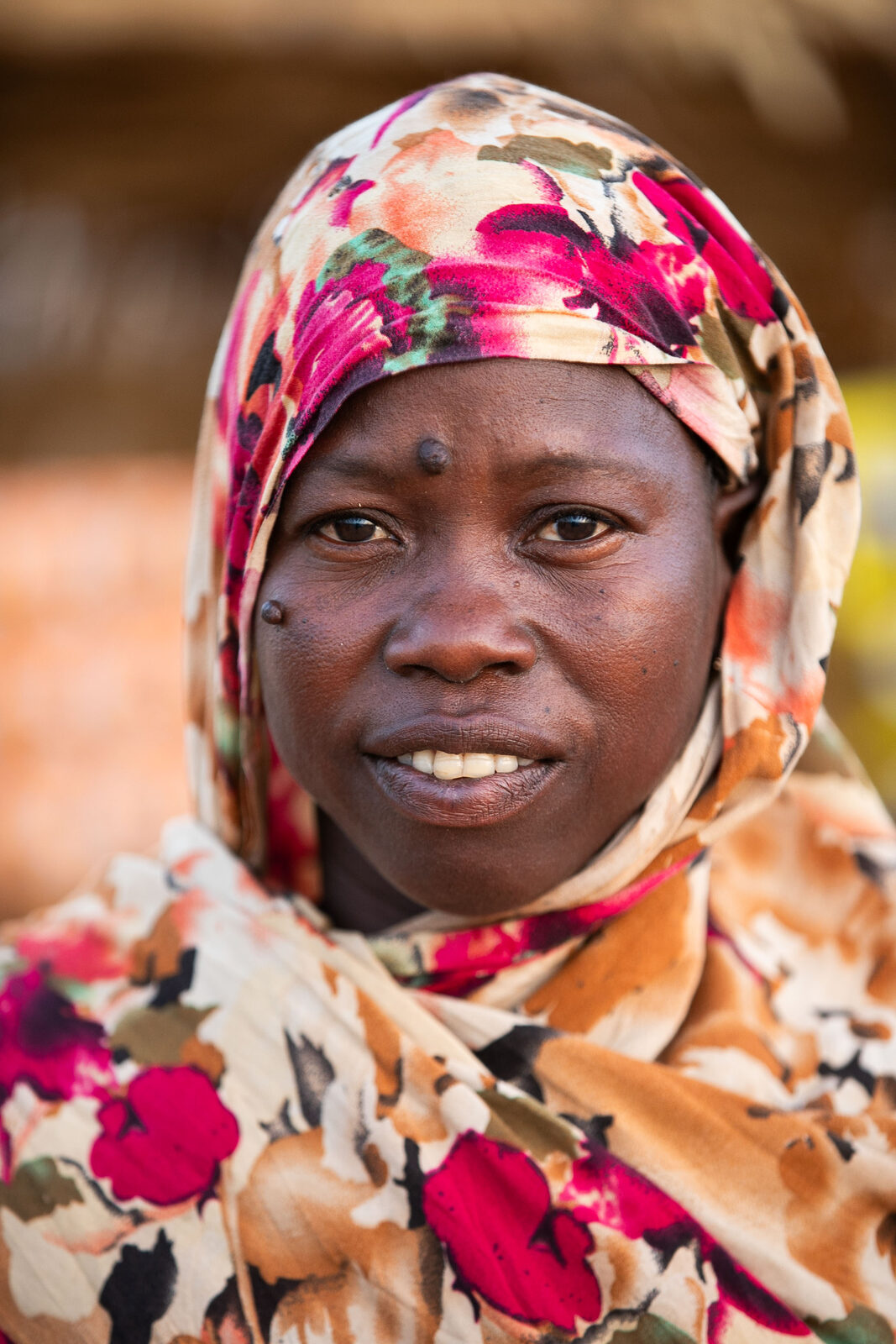
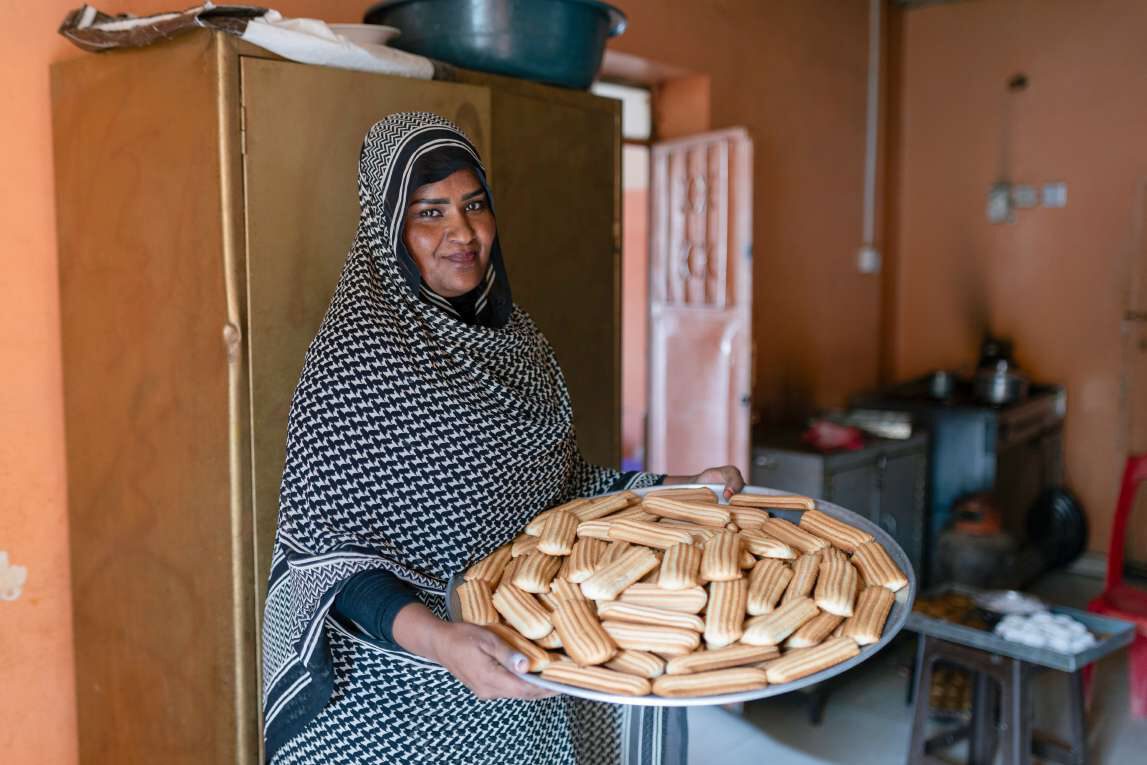
Displaced multiple times by conflict, Hiba Almadani, a mother of four and longtime “khabeez” maker. Lost nearly everything. With a small cash grant, she rebuilt her home-based business in Omdurman, adapting to new realities while holding onto the work that once helped her survive.
“As long as hope is a path, we will live it.”
When Hiba Almadani lost her husband, she was still young, with four daughters to raise and no steady income. It was grief that pushed her to try something new. One day, she served her homemade “khabeez” to a visiting relative. “Did you make these yourself?” Her husband’s relative asked. When Hiba said yes, she replied, “Then I’m your first customer.”
That’s how it started. From her home in Tutti Island, Khartoum, Hiba built a small business making the traditional Sudanese cookies. She became known for them. Her ingredients came on credit, her customers paid by the bucket. For 20 years, Khabeez helped carry her family forward.
Then the war came.
“We want the girls, we want the women.”
On the first day of the conflict, Hiba’s mother was scheduled for a limb amputation. They were both at the hospital when gunfire broke out in the streets. No one could leave. For five days, they stayed inside.
When they finally returned to Tutti Island, they hoped they’d found safety. But the conflict soon reached their neighborhood. Hiba remembers what the fighters said as they passed through: “We want the girls. We want the women.” She and her daughters didn’t wait, and as risky as it was they packed what they could, and left the island on a boat.
First displaced to Sennar State, where she tried restarting her business. She had carried her baking tools across cities. For a few months, there was a sense of beginning again. But then the conflict spread again, and with it, another loss. Looting. Fear. Flight.
From Sennar to Gedaref, to Atbara, and finally to Omdurman. By the time they arrived, they had nothing left. “We spent all our money just moving. I couldn’t work. I couldn’t start again.”
At the shelter in Omdurman, a team from Acted, a CCS Partner, came to speak to displaced families. They asked questions, listened, took down names. “They gave us a card,” Hiba says. “And said, ‘We’ll be back.’ A few weeks later, they came with help.”
“The cash helped me breathe again.”
Hiba Almadani
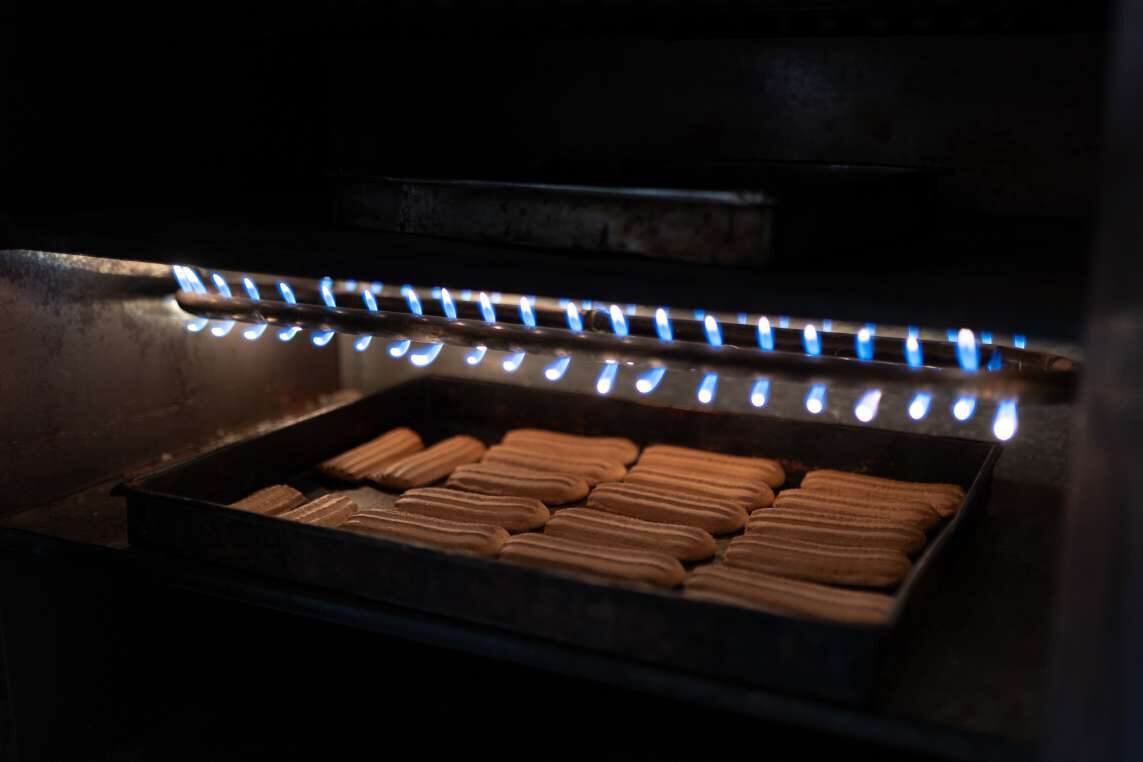
Hiba received 840,000 Sudanese pounds in Multi-Purpose Cash Assistance (MPCA). “It came when I thought everything was over,” she says. “I bought an oven. I bought fabric. I used to design “tiyab” for women before the war, so I returned to that too. I split the money between both parts of my work.”
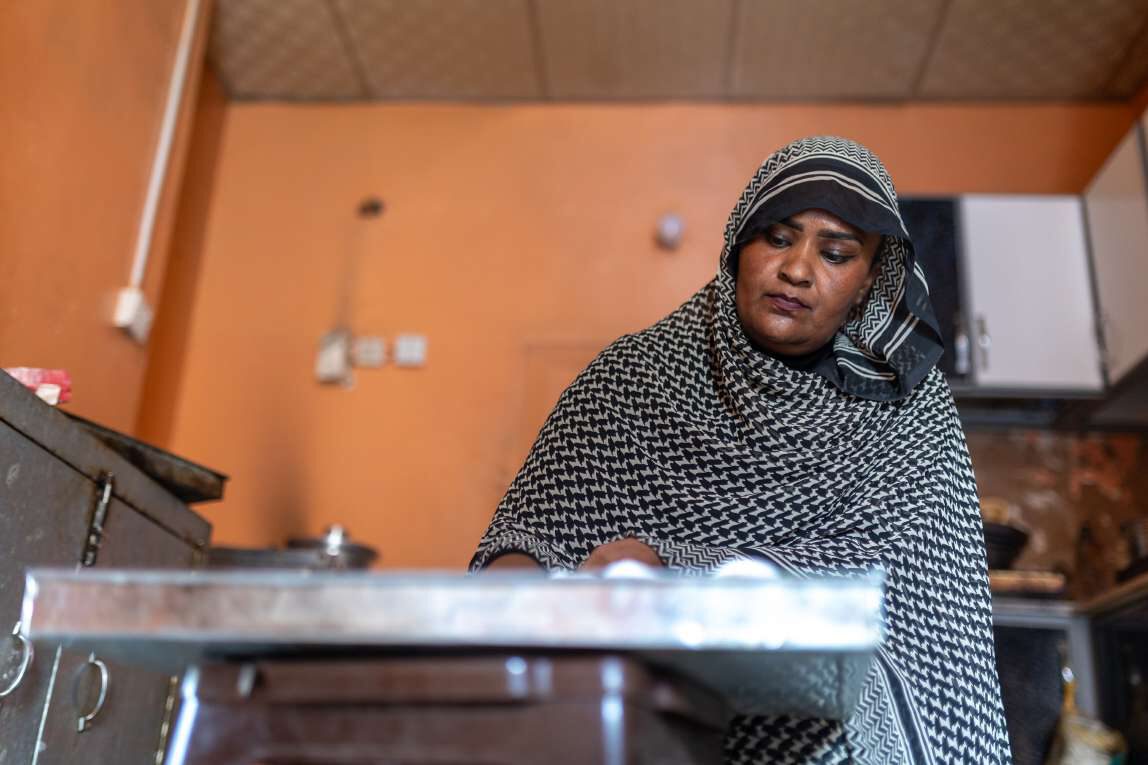
But things weren’t the same as before. In Tutti, people bought by the bucket. In Omdurman, it was by the piece. “I had to adapt,” she says. “But I was working again.”
Now, her business helps support her daughters’ university fees and covers basic household needs. “My late husband used to provide for us. Now I do.”
“Khabeez is tied to joy. So I make it, even in sadness.”
“In Sudan, khabeez means celebration. So some people ask why I still bake it, now. But for us, even during war, we keep going. We survive.”
Some customers pay in cash, others by mobile transfer. It’s not as steady as it once was, but it’s something. “I’m slowly regaining control,” she says. “The cash support helped me stand again. My family helped too. But I won’t lie; I was tired. I was disappointed. I thought I wouldn’t rise again.”
Hiba’s message is simple: “Keep the determination. Keep walking. Even if it’s hard. Even if it hurts. As long as hope is a path, we will live it.”