From Shagra to the World of Trade
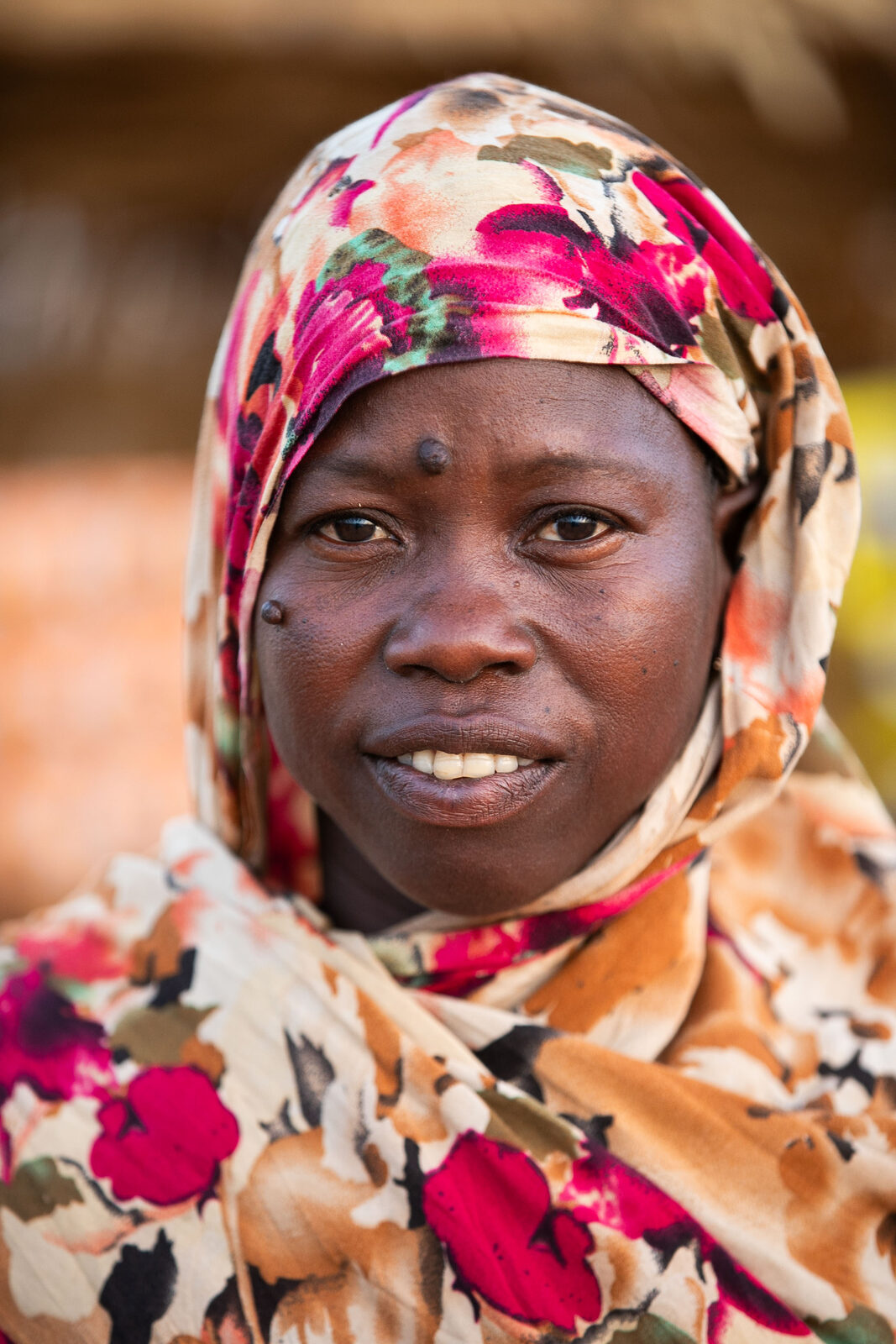
After being displaced more than six times, and once again fleeing Zamzam camp, walking three days to Tawila with nothing but determination, Rayga Suliman Ahmed used 520,000 SDG in cash assistance to feed her children and open a small shop. What began from zero is now a growing business, and a vision for her community’s future.
“You can’t think when you’re hungry, tired, and scared.”
Rayga Suliman Ahmed never imagined she would become a shopkeeper. She was a farmer, living in Shagra, North Darfur, growing food on her own land and raising five children. Life was simple, and it made sense. But when the war reached her village, everything she had was taken. The harvest was looted. The land was no longer hers. And displacement became her new reality.
She was forced to flee more than six times. For a while, she and her family found shelter in Zamzam camp. There was a brief moment of relief. But even that didn’t last. When fighting came closer again, they had no choice but to run. With only the clothes they wore and what they could carry, they walked for three days to Tawila. Along the way, the rest of their belongings were stolen.
They arrived in Tawila with nothing.
“The spark.”
The first few days were the hardest. They were hungry and exhausted, with no money and no plan. Neighbours in the camp shared food with them. Rayga started carrying water to restaurants, balancing heavy buckets on her head. She sold the water to earn enough for one meal at a time.
“Sometimes I would pass by the market and try to get just enough for dinner,” she says.
Then she was registered by a CCS Partner, and included in the cash assistance program. A few weeks later, she received 520,000 Sudanese pounds.
“After we ate, we could think straight”
Rayga Suliman Ahmed
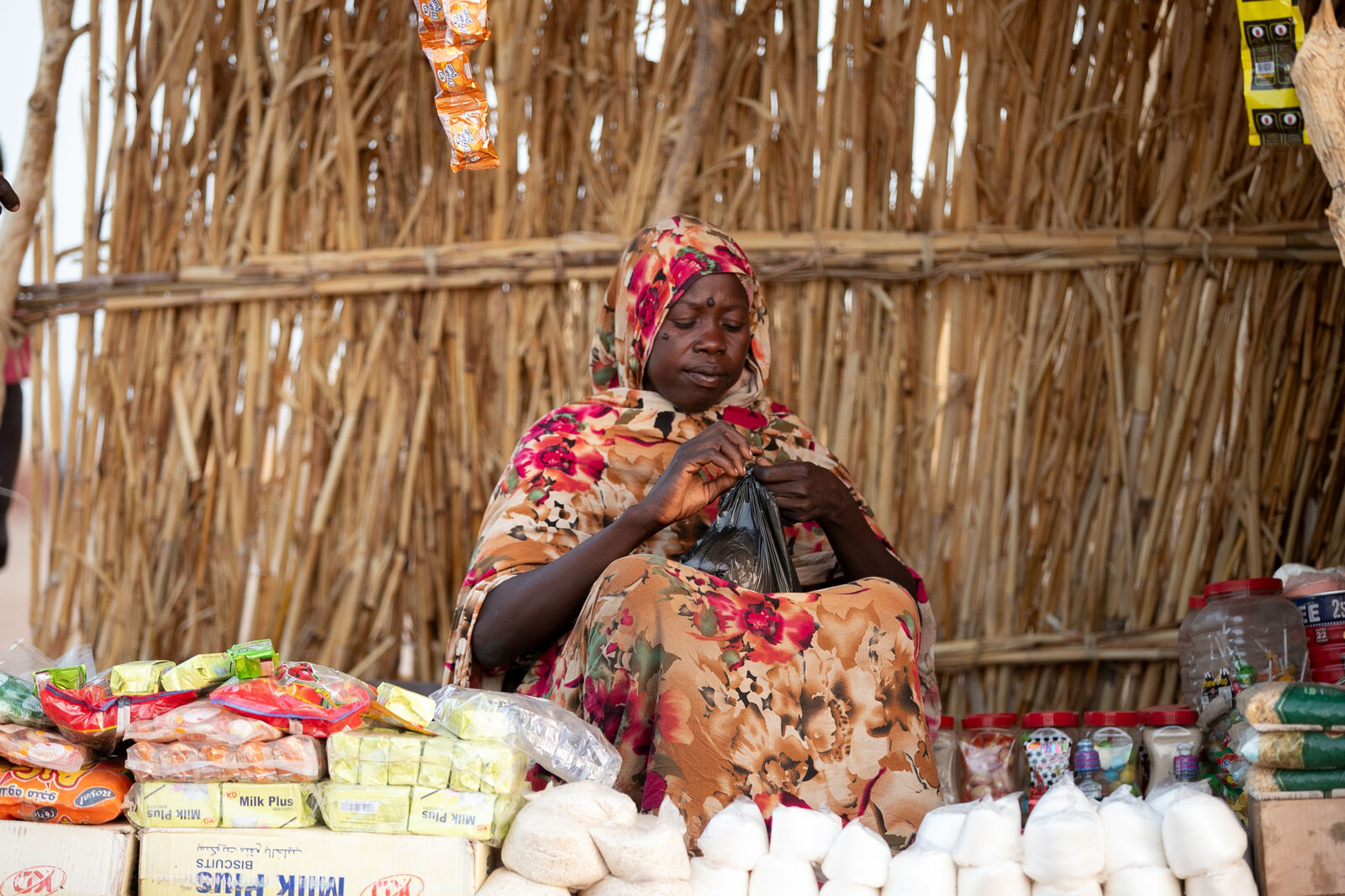
The first thing Rayga did was buy food and clothes for her children. Then she rented a small booth where she and her husband began selling whatever they could, small items, bit by bit. With time, they saved enough to buy a booth of their own. It wasn’t much, but it was theirs.
From the income they made there, her husband was able to buy a donkey cart. He now uses it to transport water around Tawila, bringing in a small but steady income.
Only then did Rayga begin stocking her own shop. She started small, a few spoons of sugar, a couple of biscuits, some basic snacks. Whatever she could afford, she sold. As the income grew, so did her confidence. She began buying in larger quantities: a 10-kilogram sack of sugar, half a sack of rice, half a gallon of cooking oil. Every week, she added something new.
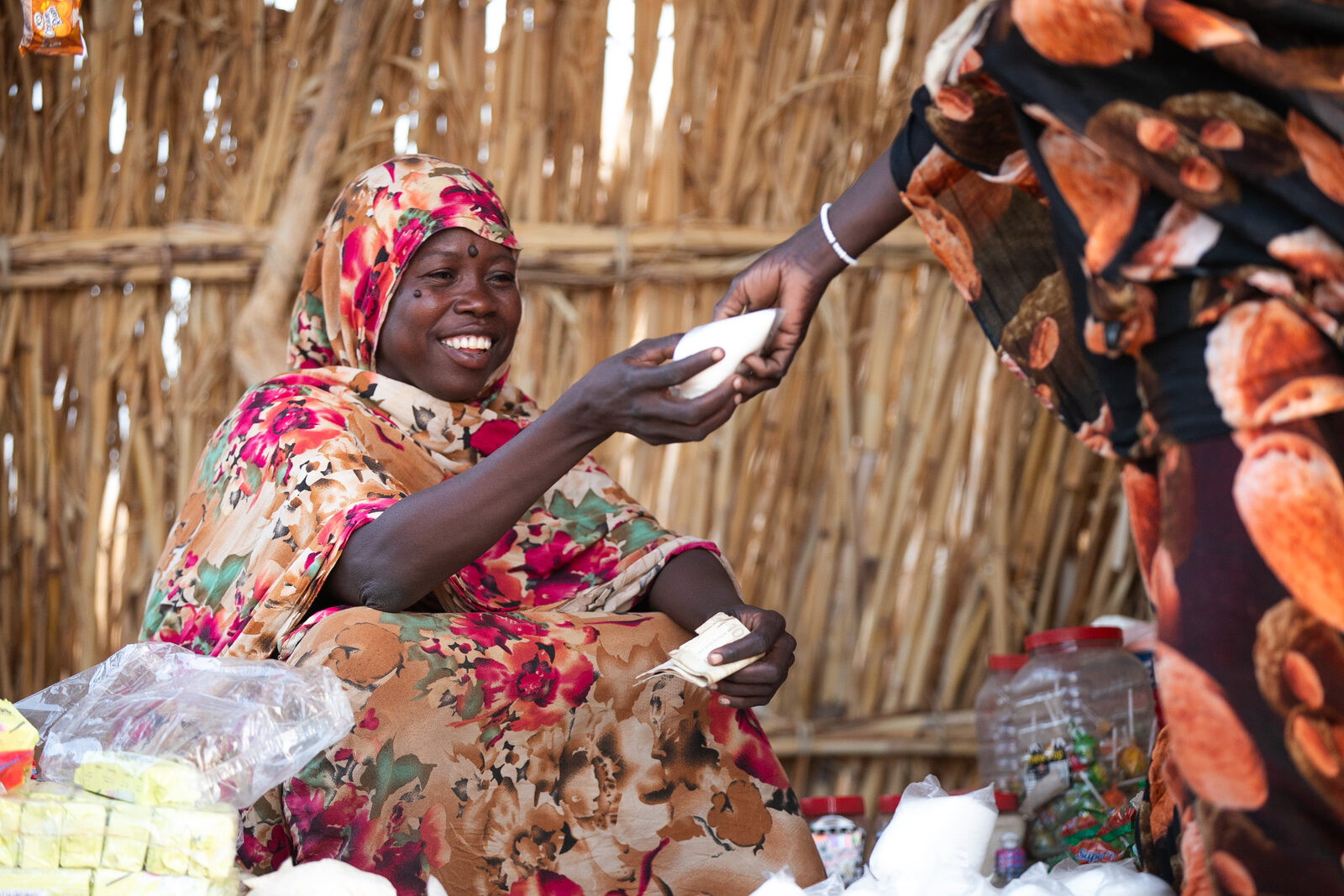
“I was never going to be able to start my business without the cash assistance,” she says. “We had nothing. But after we ate, and our bellies were full, we could think straight. The ideas started coming, and I followed them. You can’t think when you’re hungry, tired, and scared.”
“Now we eat better. We even dress better”
With each small profit, Rayga reinvested in her shop. She moved from buying items in handfuls to sacks and gallons. Her stall grew slowly, and with it, her confidence. She’s planning to expand and send her children back to school when classes resume.
Before the war, she had never run a business. But during past displacements, she had made falafel and sold it just to get by. She always found a way to adapt.
“This war taught me to stay active. I need to be ready for anything,” she says. “I may not read or write, but I understand the world enough to invest.”
“I want us all to succeed”
Now, Rayga shares what she’s learned with women around her. She tells them not to overspend, to plan ahead, to think about the next day. Her goal is not only to grow her own business, but to see other women thrive too.
“I want us all to eat. I want us all to succeed. So I keep pushing them forward, the same way I keep pushing myself.”
Rayga Suliman Ahmed