
What We Do
Our mission is to deliver safe, inclusive, and effective cash and markets programming to crisis-affected people across Sudan while reinforcing the local actors and systems needed to drive long-term resilience.
An innovative nexus partnership platform.
Collective Sudan (CCS; formerly the Cash Consortium of Sudan) is an innovative nexus partnership platform formed in August 2023, bringing together 19 organizations committed to delivering more effective assistance through a harmonized cash-plus approach.
Our vision is an inclusive, locally led, and resilient Sudan where essential needs are met with dignity, flexibility, and efficiency.
Guided by global best practices and evidence-based programming, CCS works across Sudan, including hard-to-reach areas, to implement inclusive, scalable, and integrated interventions that address immediate humanitarian needs while supporting the foundations for recovery and resilience. We deliver Multi-Purpose Cash Assistance (MPCA) to households, Group Cash Transfers (GCTs) to local responders, and Emergency Business grants (EBGs) to support local markets, alongside referral pathways and broader systems-strengthening initiatives.
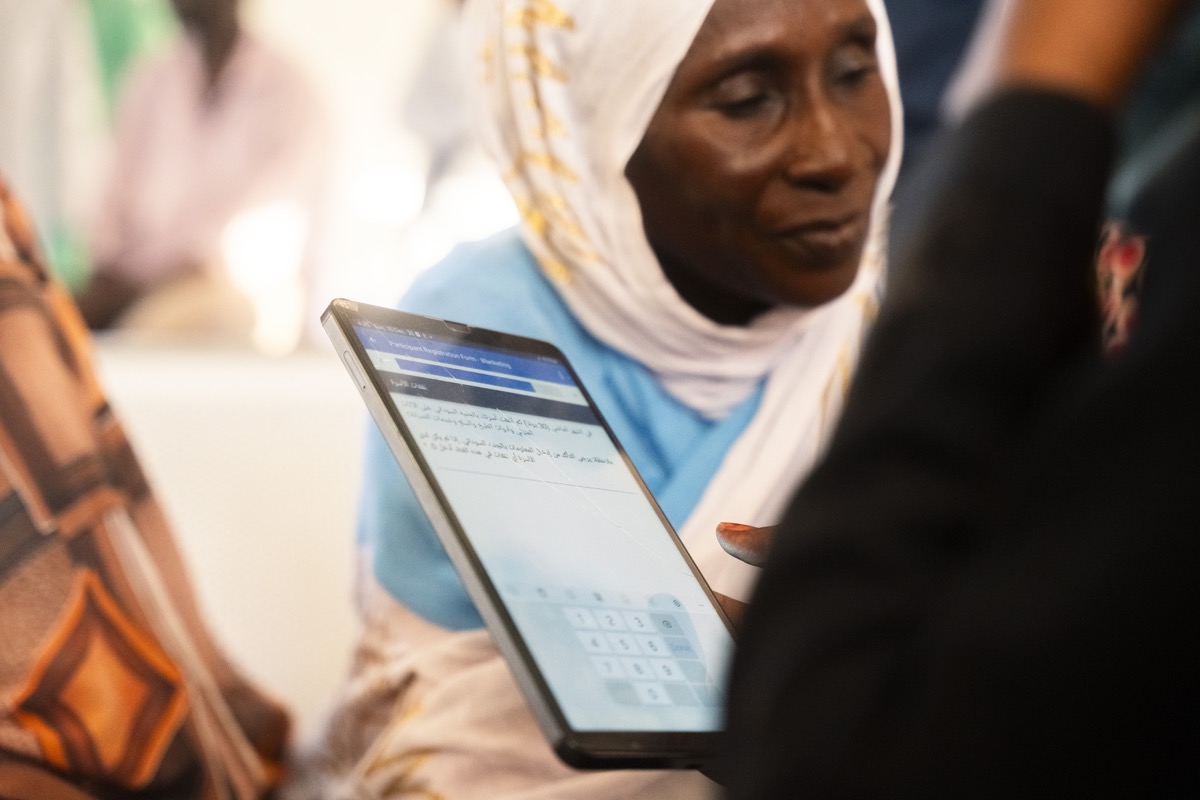
CCS delivers large-scale, high-quality cash and markets programming across Sudan.
At its core, it provides Multi-Purpose Cash Assistance (MPCA) to households, Group Cash Transfers (GCTs) to local responders, and Emergency Business Grants (EBGs) to support local markets. These core interventions are complemented by initiatives that expand referral pathways, improve market analysis and support, and invest in Sudanese responders and local systems. This approach enables us to respond to multi-sectoral basic needs in a way that is both flexible and grounded in local realities, supporting households directly while also enabling communities, markets, and local actors to play a central role in the response.
By bringing partners together, CCS achieves a level of scale, coherence, and strategic alignment that would not be possible through fragmented delivery. Under a harmonized approach, we drive greater impact and cost-efficiency, improves geographic coverage, and reduces duplication. Shared tools, systems, and standards support more consistent processes while also improving accountability to affected populations.
Beyond its direct programming, CCS also contributes to shaping the wider response. Through coordination, shared systems, and its nexus approach, it helps create a stronger enabling environment for cash and markets programming. By building on existing systems rather than duplicating them, the CCS contributes to a more coherent and effective response, and strengths pathways toward more resilient local economies and inclusive social protection.
Multi-Purpose Cash Assistance (MPCA)
Multi-Purpose Cash Assistance (MPCA) is a central pillar of its cash-first approach, enabling crisis-affected households to meet urgent, multi-sectoral basic needs with dignity, flexibility, and choice. From 2023 through the end of 2025, CCS reached nearly 2 million people across Sudan.
MPCA is designed for scale and adaptability across diverse environments, including besieged and hard-to-reach areas, and can be adapted to evolving access, protection, and liquidity dynamics. Anchored in humanitarian principles and accountability to affected populations, MPCA helps reduce harmful coping strategies, supports local markets, and contributes to a more coordinated, efficient and people-centred response.
MPCA may be provided as one-off assistance or through monthly transfers for up to three months, delivered either as physical cash or through bank transfers.
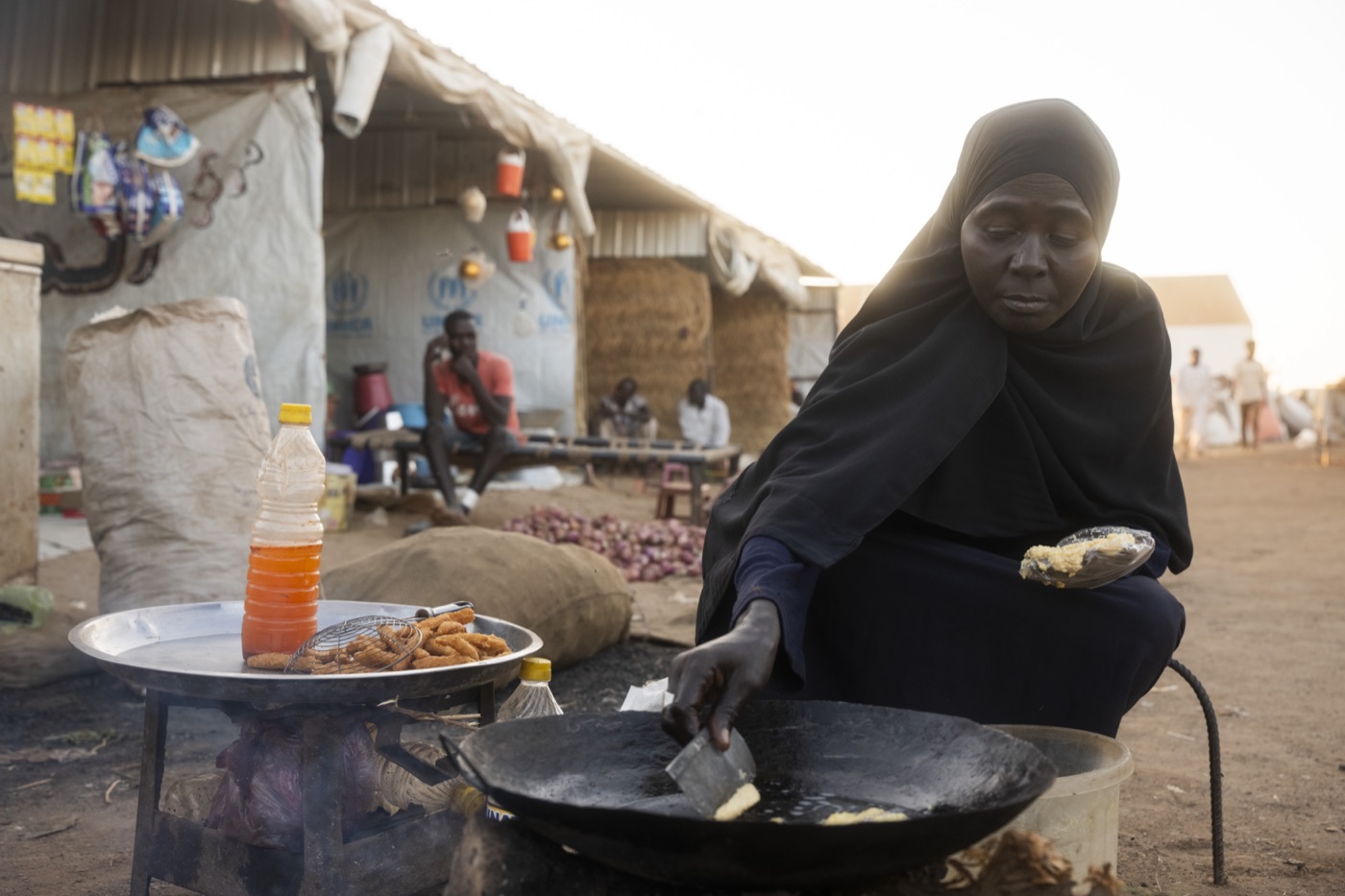
Group Cash Transfers (GCTs) to Support Community-Led Response
CCS delivers Group Cash Transfers (GCTs) to community-based and mutual aid groups, also referred to as local responder groups, that provide frontline assistance in areas where international access is constrained, as well as in accessible areas where local responder groups complement traditional humanitarian interventions and contribute community resilience and local leadership. GCTs enable community-led responses to address diverse needs, including food assistance, emergency response, and early recovery and resilience activities. They also strengthen local capacity, enable rapid and flexible action, and reinforce locally led responses in practice.
GCTs may be provided as one-off or repeated assistance, with up to three rounds and transfer values ranging from USD 200 to USD 7,000, depending on the scale, scope, and context of the proposed intervention by the local responder groups. The funding is flexible and unearmarked, allowing local responder groups to determine how resources are best used based on identified community priorities, rather than being restricted to a specific sector or predefined outcome. In addition to financial support, CCS partners provide a harmonised capacity strengthening package for local responder groups, tailored to the priorities identified by the groups themselves.
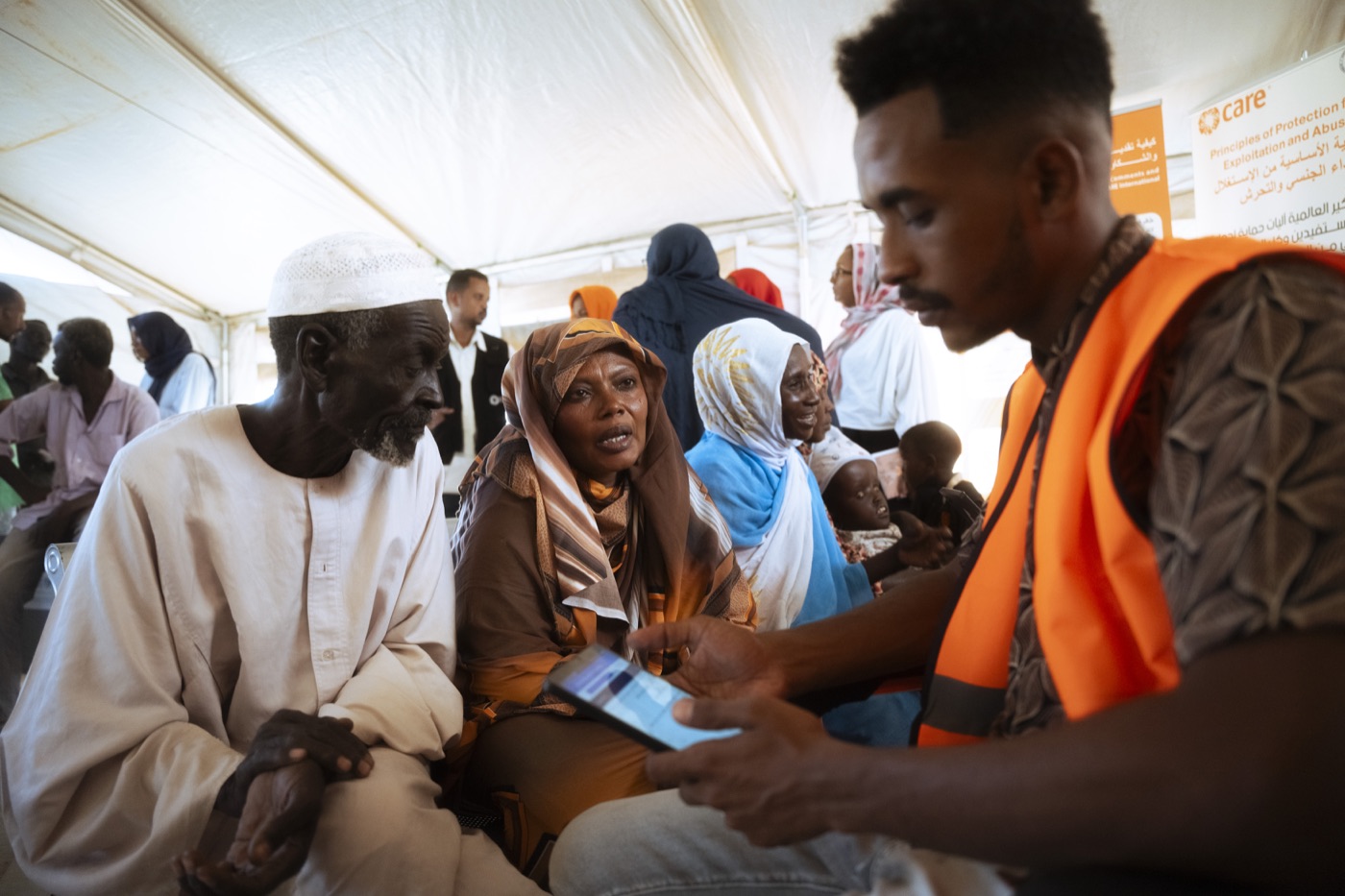
Financial Inclusion
Looking ahead, CCS will work to strengthen financial inclusion by integrating pathways that connect crisis-affected households to appropriate financial services. Where formal financial service providers are available, this may include facilitating account opening to facilitate secure cash transfers and longer-term access to financial services. In areas with limited financial infrastructure, it will explore supporting Village Savings and Loan Associations (VSLAs) to help households build savings, access small loans, and strengthen their financial resilience, contributing to more sustainable recovery beyond immediate humanitarian assistance. Financial health training for households will further complement this approach.
Livelihoods
CCS is also exploring how MPCA can be designed, including the timing and duration of transfers, to better support the protection of livelihoods and productive assets while meeting immediate basic needs. Aligning transfers with seasonal livelihood calendars, agricultural cycles, or periods of heightened economic stress could help households avoid negative coping strategies, such as selling productive assets, reducing investment in livelihood activities, or accumulating unsustainable debt. While MPCA will remain focused on meeting essential needs, taking greater account of livelihoods dynamics in transfer design can strengthen household resilience and improve recovery outcomes.
Market Support
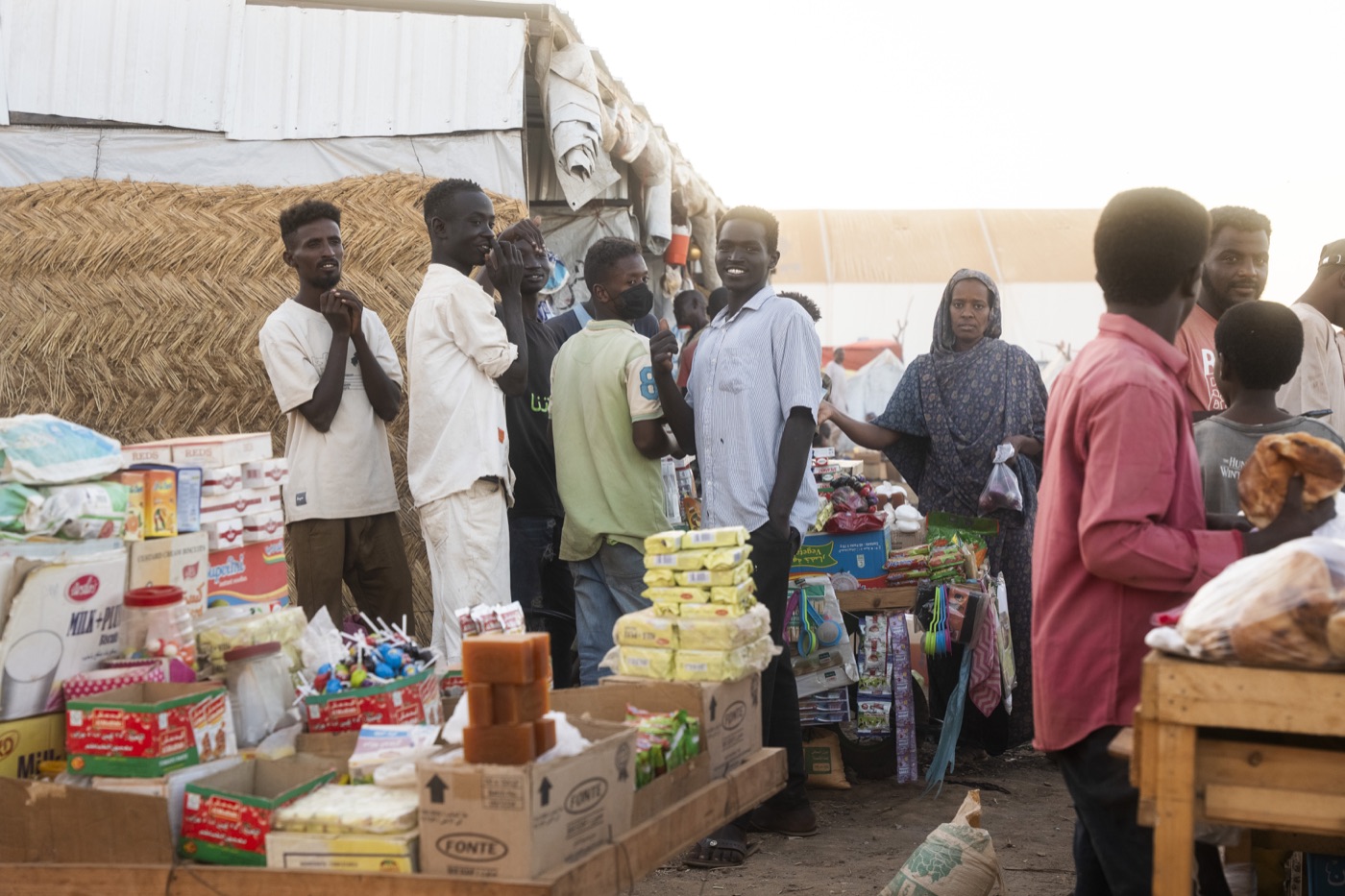
Functioning markets are essential to ensuring that crisis-affected people can access food, medicine, water, household goods, and other essential services. They also support livelihoods and local economies. CCS combines household cash assistance with market support to help ensure that essential goods and services remain available, accessible, and affordable. This includes monitoring and analyzing markets, supporting local businesses and traders, and addressing supply, liquidity, payment, and access constraints. By working with existing market actors and systems, it aims to strengthen local capacity while supporting immediate needs and longer-term recovery.
Emergency Business Grants (EBGs) provide targeted financial support to eligible micro and small businesses affected by crisis, helping them replace stock or equipment, repair damage, restore operations, and respond to local demand. EBGs are complemented by business training, support to strengthen market linkages, and connections with suppliers, buyers, and financial service providers. Together, these interventions help businesses continue operating and maintain access to essential goods and services, and strengthen local markets and economies.
Referral Systems and Integrated Assistance
CCS strengthens referral systems to connect households receiving cash assistance with complementary services, including nutrition, health, and protection. Through common standards and interoperable referral pathways, it supports more coherent, multi-sectoral responses and enhances the effectiveness of cash as part of an integrated approach to complex needs.
Protection Mainstreaming
Protection is embedded across all CCS programming. This includes mainstreaming of protection through risk analysis, safe and inclusive programming practices, and strengthened referral pathways, while working with protection actors to mitigate harm and ensure assistance is delivered safely, equitably, and with dignity, including in high-risk and besieged settings.

Coordination and Systems Strengthening
CCS plays a central role in strengthening coordination and systems for cash and market-based programming in Sudan. Through shared tools, common services, and technical working groups, CCS promotes harmonised approaches, improves efficiency, and strengthens collaboration across international, national, and local actors. This includes harmonizing a common household registration form across partners while also supporting Cash Working Group (CWG) efforts to promote a shared registration approach and minimum data standards. Together, these efforts strengthen needs assessment, support more integrated responses, and improve data interoperability across the cash response.
CCS co-chairs the CWG, supports area-based coordination in priority locations, and contributes to the enabling environment through engagement with coordination bodies, donors, and technical partners. It also supports regional coordination, strengthening cross-border analysis and collaboration in response to displacement and market dynamics.
Evidence, Research, Learning, and Adaptation
CCS generates and applies evidence and learning to inform programme design, operational decision-making, and strategic direction. Through harmonized and shared Monitoring Evaluation and Learning (MEL) systems, assessments, routine monitoring, and research, CCS produces actionable insights to adapt programming to evolving contexts and strengthen quality and effectiveness. Drawing on harmonized household-, community-, and market-level data collection across Sudan, CCS continuously analyzes operational trends, program outcomes, market dynamics, and evolving patterns of vulnerability to inform implementation and response priorities. This helps us to adapt programs, strengthen coordination and technical harmonization, and inform advocacy, ensuring that operational realities and community priorities shape decision-making. In addition, regular learning and reflection between program and MEL teams create feedback loops that help translate evidence into improvements in program design, implementation approaches, and technical guidance.
Beyond operational monitoring, CCS also undertakes targeted research and learning on priority topics for cash and market programming in Sudan. Previous initiatives have explored how to strengthen integrated referrals and the added value of integrated programming by analyzing differential outcomes where MPCA is complemented by nutrition or protection services, generating evidence on how layered approaches influence household outcomes beyond cash alone. CCS has also investigated how market support can strengthen the effectiveness of cash assistance, how locally led response and Group Cash Transfers contribute to community resilience, how recipients experience different cash delivery approaches, and how operational constraints such as proxy delivery, financial inclusion, and access influence safe and effective assistance.
Together, these initiatives inform CCS tools, guidance, and programming while contributing operational evidence and practical learning to strengthen cash and market-based programming across Sudan and the wider humanitarian response.
Policy Influence and Advocacy
CCS engages in policy dialogue and advocacy to promote the inclusion and prioritization of cash-based assistance, localization, and market-aware responses within humanitarian strategies and funding frameworks. By amplifying operational evidence and local perspectives, CCS helps shape more responsive, inclusive, and context-appropriate policies while strengthening the enabling environment for cash and market-based assistance across Sudan’s diverse and evolving contexts. This contributes to a more effective and coherent humanitarian response.
Contact Us
For general enquiries, partnership opportunities, coordination, or information about the work of Collective Sudan (CCS), please contact us at info@collectivesudan.org. For media enquiries, interviews, or access to photos and videos, please reach out to media@collectivesudan.org
Social Protection Linkages
CCS works to explore linkages between humanitarian cash assistance and future social protection systems. This includes adapting delivery mechanisms and engaging with relevant actors to help ensure that cash delivery systems developed in crisis contexts can contribute to longer-term system development, while remaining flexible and appropriate to Sudan’s evolving context.
One example of this systems-strengthening approach is the Shared Distribution Network Platform (SEND-P), which connects humanitarian organizations with financial service providers (FSPs) to deliver cash across Sudan. Through a shared digital hub, common contracting frameworks, and centralised demand planning, SEND-P supports more standardised payments and reporting while preserving agency autonomy. This collective infrastructure aims to reduce delivery delays and transaction costs while supporting liquidity management. By streamlining coordination and enforcing strict auditability, the platform helps cash assistance reach vulnerable communities faster, more securely, and with greater accountability.